

Leadership. Experience. Values.
Delivering practical solutions rooted in integrity, accountability, and service.
We Can Work Together to Create a Better Future.
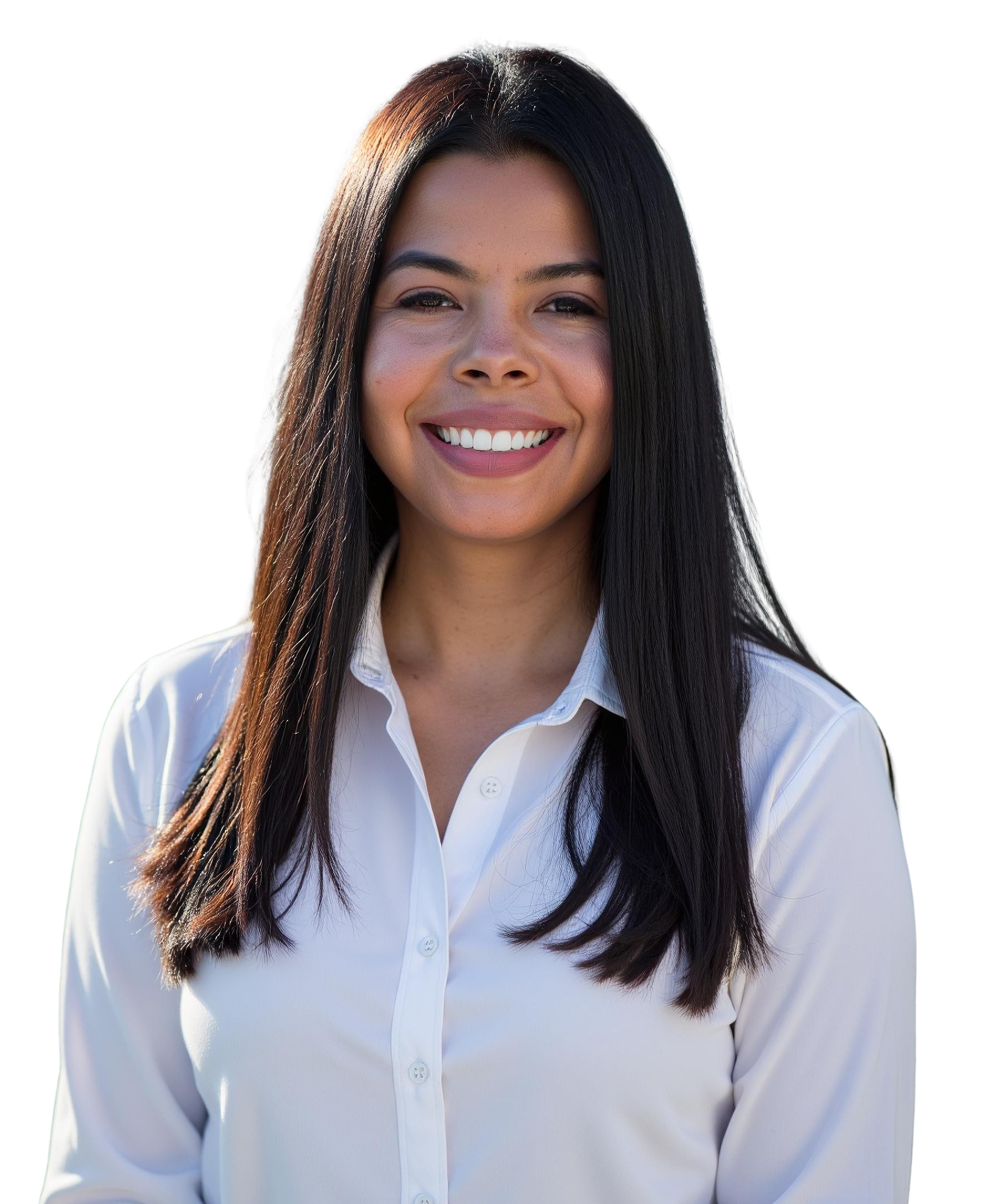
Iris Medina-Elston is a mom, business owner, and community-minded leader running for Congress in Georgia’s 6th Congressional District.
As a mother raising her family here in Georgia, Iris understands the everyday concerns families face: affordability, education, safety, and opportunity. Her commitment to service is shaped not only by her professional experience, but by her belief that government should work efficiently, responsibly, and always in the public interest.
Iris is an operations leader and repeat founder who has spent her career helping organizations run better, make smarter decisions, and use resources wisely. She holds a Masters in Public Administration and recently completed her MBA at Georgia Tech. She continues her legal education part-time, strengthening her understanding of policy, governance, and accountability.
She believes leadership starts with listening. Iris volunteers regularly in her community, from neighborhood clean-ups to animal rescue work alongside her son, teaching the values of responsibility, compassion for animals and our environment, and service from a young age.
“As a proud immigrant and U.S. citizen, I believe deeply in the promise of this country and in our shared responsibility to protect it for the next generation. I’m running for Congress to lead with integrity, listen first, and deliver real results for the people of Georgia’s 6th Congressional District and represent them in the United States House of Representatives.”
Iris Medina-Elston
CANDIDATE FOR US CONGRESS
issues
How we can build a better country together!

Animal
Welfare

Economic Dignity

Education First

Healthcare Access

Accountable Government

Sustainability, Climate & Innovation

Global Leadership
A Shared Commitment to Progress
This campaign is about bringing people together around shared values: dignity, opportunity, safety, and a government that works.
It’s rooted in service, guided by experience, and focused on delivering real results for our community. Progress doesn’t come from slogans; it comes from listening, collaboration, and follow-through.
Whether you’re here to volunteer, donate, attend an event, or stay informed, there’s a place for you in this campaign. We’re building something thoughtful, inclusive, and focused on the future, and we invite you to be part of it.

Animal Welfare Is a Public Policy Issue — Not Just a Personal One
Animal welfare is not a fringe concern. It is a matter of public safety, environmental health, ethical governance, and community values — and it belongs in Congress.
Research consistently shows that animal cruelty is a documented precursor to interpersonal violence. Law enforcement agencies across the country treat it as an early warning indicator. That means taking animal cruelty seriously — prosecuting it, tracking it federally, and resourcing it properly — is not just compassion. It is smart public safety policy.
This is also deeply personal for me. I volunteer at FurKids animal shelter in Atlanta alongside my son, and I built Carter Wade entirely around cruelty-free, plant-based materials, such as cactus, grape, and apple leather — because I believe how we treat animals reflects who we are as a society. These weren’t marketing decisions. They were values decisions.
At the federal level, I will advocate for:
Fully funding and enforcing the PACT Act, which federalized animal cruelty as a felony. This law must be resourced and expanded to cover more categories of abuse.
Connecting animal abuse registries with law enforcement databases so that documented animal abusers are flagged before violence escalates to humans.
Ending taxpayer subsidies for factory farming practices that cause systemic, industrialized suffering at massive scale.
Protecting wildlife and endangered species from habitat destruction, climate change, and illegal trafficking.
Advancing humane research standards and accelerating the federal transition away from animal testing wherever viable alternatives exist.
Investing in no-kill shelter infrastructure and spay/neuter programs that reduce animal homelessness and the burden on local governments.
Animals cannot advocate for themselves in our legislative halls. I will.
What do you mean by Economic Dignity?
Economic dignity means that people who work hard should be able to afford a stable, comfortable life and feel proud of the work they do.
Right now, too many families are doing everything right and still falling behind. When wages don’t keep up with the cost of housing, healthcare, transportation, and everyday essentials, that’s not a personal failure; it’s a policy failure. I believe our economy should reward effort, support small businesses, and make it possible for families to build a secure future.
Safe communities are built on opportunity, not just enforcement. When people have access to good jobs, quality education, affordable housing, and economic mobility, crime goes down. That is not an opinion. It is what the data shows, consistently. Addressing the root causes of crime is not soft on safety; it is smart on safety.
Why I believe education is the foundation of opportunity
Strong education systems create strong communities, a competitive workforce, and long-term prosperity.
I believe Georgia can be a leader in educational excellence by supporting students, educators, and families while preparing young people for real-world careers. Education isn’t just about test scores; it’s about opportunity, safety, and giving every child the tools they need to succeed.
We also must prepare our students for the economy that is already here. Artificial intelligence is reshaping every industry, and Georgia’s students deserve access to the tools, training, and teachers that will allow them to lead that transformation, not just adapt to it. As a Georgia Tech alumna and tech professional, I know firsthand how access to innovation education changes trajectories. Every school in this district should have that same access.
Why access to healthcare should be important to all of us
Healthcare access matters to all of us because when people are forced to delay or avoid care, the consequences don’t stay individual; they become community-wide and far more costly over time.
When preventable conditions go untreated, they turn into emergencies. When mental health is neglected, it affects families, workplaces, and public safety. When people lack access to basic care and education, the system ends up paying far more later — financially, socially, and emotionally.
I believe healthcare should focus not only on treatment, but on prevention, education, and empowerment. That means helping individuals make informed, healthier choices while also holding companies accountable for the products they sell and the standards they uphold. People deserve transparency about what they’re consuming, clearer information, and higher public health standards that support long-term well-being.
Healthcare is not just about managing illness; it’s about creating the conditions for healthier, more fulfilled lives. When we invest in access, education, and accountability, we all benefit.
Accountability in Government
Government works best when it is accountable, transparent, and loyal to the people it serves, not to party pressure or political convenience.
Too often, we see elected officials drift away from the promises they made, caught between special interests, partisan expectations, and fear of backlash. That erosion of trust doesn’t happen overnight; it happens when accountability and follow-through disappear.
I believe representation means showing up, telling the truth, and doing the work even when it’s difficult. It means measuring outcomes, using taxpayer resources responsibly, and making decisions with integrity. Loyalty should always be to the people who elected us, not to a party label.
Effective government isn’t loud or performative; it’s disciplined, ethical, and focused on results. That is the standard I believe our communities deserve.
Every Child Deserves a Great Education — Not Just Those Who Can Afford One
Education is the foundation of everything else we care about as a society. Economic opportunity, public safety, innovation, democracy itself — none of it works without an educated population. And right now, we are failing our children, our teachers, and our future.
The hard truth is this: if you can afford private school, your child will likely get a good education. If you can’t, it depends on your zip code, your luck, and how much your teacher can endure before burning out. That is not a system. That is a lottery. And it is not acceptable.
I spoke recently with a teacher who was working at a summer camp. I asked if she was enjoying her summer. She told me she couldn’t afford to. A person who spent the entire school year educating our children — who showed up every day, stretched every dollar, and gave everything she had — couldn’t afford to rest. That is not a personal failure. That is a policy failure, and it needs to end.
Teachers deserve better — full stop. We need to pay them like the professionals they are, reduce their class sizes so they can actually teach, and invest in building the schools that make both possible. If we can find the money to build ICE detention facilities and expand prisons, we can find the money to build classrooms and hire teachers. Those are choices. I want to make different ones.
At the federal level, I will fight for:
Significant, sustained increases in teacher pay — because underpaying educators is a national embarrassment and a long-term economic mistake.
Smaller class sizes, which research consistently shows improve outcomes for students and reduce burnout for teachers.
Investment in new school construction and modernization, particularly in underserved communities where facilities haven’t kept pace with population growth.
Preparing every student for the economy that already exists — one shaped by artificial intelligence and technology. As a Georgia Tech alumna and tech professional, I know firsthand how access to innovation education changes trajectories. Every school in this district deserves that same access.
Recruiting and retaining great teachers by treating the profession with the respect, compensation, and support it has always deserved.
The United States used to lead the world in education. We have the resources to do it again. The question is whether we have the will to choose our children over convenience and short-term thinking. I do. And I will fight for it every day in Congress.
Approaching immigration with honesty, dignity and compassion
Immigration reform is long overdue, and avoiding honest conversations about it has only made things worse.
I believe the concerns people have about immigration deserve to be acknowledged, not dismissed. Fear, uncertainty, and frustration don’t disappear when they’re ignored; they grow. The only way forward is open, respectful dialogue and a willingness to actually listen to one another.
When we do that, we often realize we want the same things: safe communities, stable jobs, strong families, and a future we can be proud of.
The United States is, and always has been, a nation of immigrants. That isn’t a slogan; it’s a historical fact. Our ancestors came here from different parts of the world, bringing their ideas, labor, cultures, and resilience. That diversity didn’t weaken this country; it built it. It made us more innovative, more dynamic, and more prosperous.
Immigrants continue to contribute every day as workers, business owners, caregivers, students, and neighbors. They are part of the fabric of our communities, not separate from it.
At the same time, laws matter. A functioning immigration system requires clear rules and fair processes. But enforcement must be humane, lawful, and free from racial profiling or fear-driven practices. Targeting people based on how they look, the language they speak, or where they come from undermines trust and harms communities without making anyone safer.
Creating panic and fear helps no one. It divides communities, destabilizes families, and pulls attention away from real solutions.
I believe immigration reform should focus on clarity, fairness, and practicality. We need workable legal pathways, thoughtful collaboration with neighboring countries, and policies that reflect both the rule of law and basic human dignity. Compassion and accountability are not opposites; they are both necessary for a system that works.
This issue is complex, and pretending otherwise doesn’t serve anyone. But if we approach it with honesty, empathy, and a commitment to solutions rather than blame, we’ll find that we have far more in common than we’re often led to believe.
Explain sustainability, climate & innovation
Sustainability is often reduced to the environment alone, but in reality, it’s much broader and much more human.
Sustainability is about how things are made, who makes them, and whether systems are designed to last without harming people, communities, or future generations. It includes environmental responsibility, ethical labor practices, responsible use of resources, public health, and long-term economic stability.
During my MBA program at Georgia Tech, I took a sustainability practicum that became one of the most meaningful courses in my education. What I learned is that sustainability isn’t just about protecting nature; it’s about protecting people. It’s about ensuring that the workers who make our products are treated fairly, paid living wages, and able to go home and care for their families. It’s about understanding how what we produce and consume affects our bodies, our communities, and the ecosystems we depend on.
This isn’t theoretical for me. I built Carter Wade, a luxury brand made entirely from plant-based, cruelty-free materials — cactus, grape, and apple leather — manufactured right here in America. I built it that way because I wanted to know who was making our products, under what conditions, and at what standard. Sustainability was never a marketing decision. It was a values decision.
Sustainability also means reducing waste, choosing safer materials, protecting animals, and being mindful of how industries impact air, water, and soil. It means thinking beyond convenience and short-term profit to consider long-term consequences.
But sustainability and innovation are not opposites; they are partners. Artificial intelligence and emerging technology are among the most powerful tools we have to accelerate climate solutions: optimizing energy grids, reducing supply chain waste, modeling environmental impact at scale, and creating new materials that replace harmful ones. I launched a productivity app because I believe AI should work for people, and that same belief applies to how we use technology to protect our planet.
Addressing climate change now isn’t about politics. It’s about preparedness, responsibility, and protecting the quality of life we want for our children. We’re already seeing the effects…hotter summers, more extreme weather, and increased strain on infrastructure across Georgia. We cannot afford to wait.
I will fight for clean energy investment, American-made sustainable manufacturing, and responsible AI policy that accelerates environmental progress without leaving workers behind. The future of our economy and the future of our environment are not competing priorities, they are the same conversation.
What does strong global leadership look like today?
Strong global leadership is grounded in credibility, cooperation, and a clear commitment to peace.
The United States is strongest when it is trusted, transparent, and able to work constructively with its allies. Leadership on the world stage isn’t about isolation or constant conflict; it’s about diplomacy, collaboration, and preventing crises before they turn into wars.
I deeply respect and admire the men and women who serve in our military. Their courage, discipline, and sacrifice deserve our gratitude and our full support. Honoring our military also means doing everything possible to keep them safe and to ensure they are never sent into harm’s way without clear purpose, accountability, and necessity.
A strong military matters, but strong diplomacy matters even more. Maintaining peaceful, cooperative relationships with our allies and our neighbors reduces the need for force and protects both American lives and global stability. War should never be the default option.
As a parent, this is personal to me. I have a young son, and like every parent, I want a future where our children are safe, secure, and not asked to fight wars that could have been prevented through responsible leadership. That’s why I believe so strongly in diplomacy, strategic cooperation, and thoughtful foreign policy.
Global leadership also affects life here at home. It shapes our economy, trade, travel, national security, and how American workers and businesses compete globally. When the United States is respected and reliable, it benefits families and communities across the country.
I want the United States to be a nation known not only for strength, but for wisdom; not only for power, but for integrity. Strong leadership means showing up prepared, working with partners, and choosing peace whenever possible because that is how we protect both our values and our people.
How do I feel about fiscal responsibility and the federal debt?
The federal debt is not an abstract number; it represents real obligations that will affect future generations.
I believe fiscal responsibility is a matter of stewardship. When government spends without accountability or long-term planning, the cost doesn’t disappear; it’s passed on to our children through higher taxes, fewer opportunities, and reduced flexibility to respond to future crises.
Being fiscally responsible does not mean abandoning people or essential services. It means making thoughtful choices, setting priorities, and ensuring taxpayer dollars are used efficiently and transparently. It means asking hard questions about what’s working, what isn’t, and where resources can be better directed.
I’m deeply concerned by the level of dysfunction and short-term thinking that has contributed to our growing debt. Kicking problems down the road may be politically convenient, but it’s irresponsible leadership.
We can invest in education, healthcare, infrastructure, and national security and demand accountability at the same time. Responsible budgeting, oversight, and long-term planning are not partisan ideas; they are foundational to a government that people can trust.
Fiscal responsibility is about fairness between generations. We owe it to our children to leave behind a country that is stable, resilient, and capable of meeting the challenges ahead.